Upgrade Your Home With Qualified Structural Design Services
Improving a home through professional architecture services involves more than just aesthetics. It requires a deep understanding of functional design and local building codes. Engaging with an seasoned design expert can handle common challenges while enhancing property value. The process is systematic and thorough, confirming that every detail conforms with the homeowner's vision. Yet, many homeowners experience difficulty to navigate this undertaking effectively. What steps can they take to secure a successful alliance?
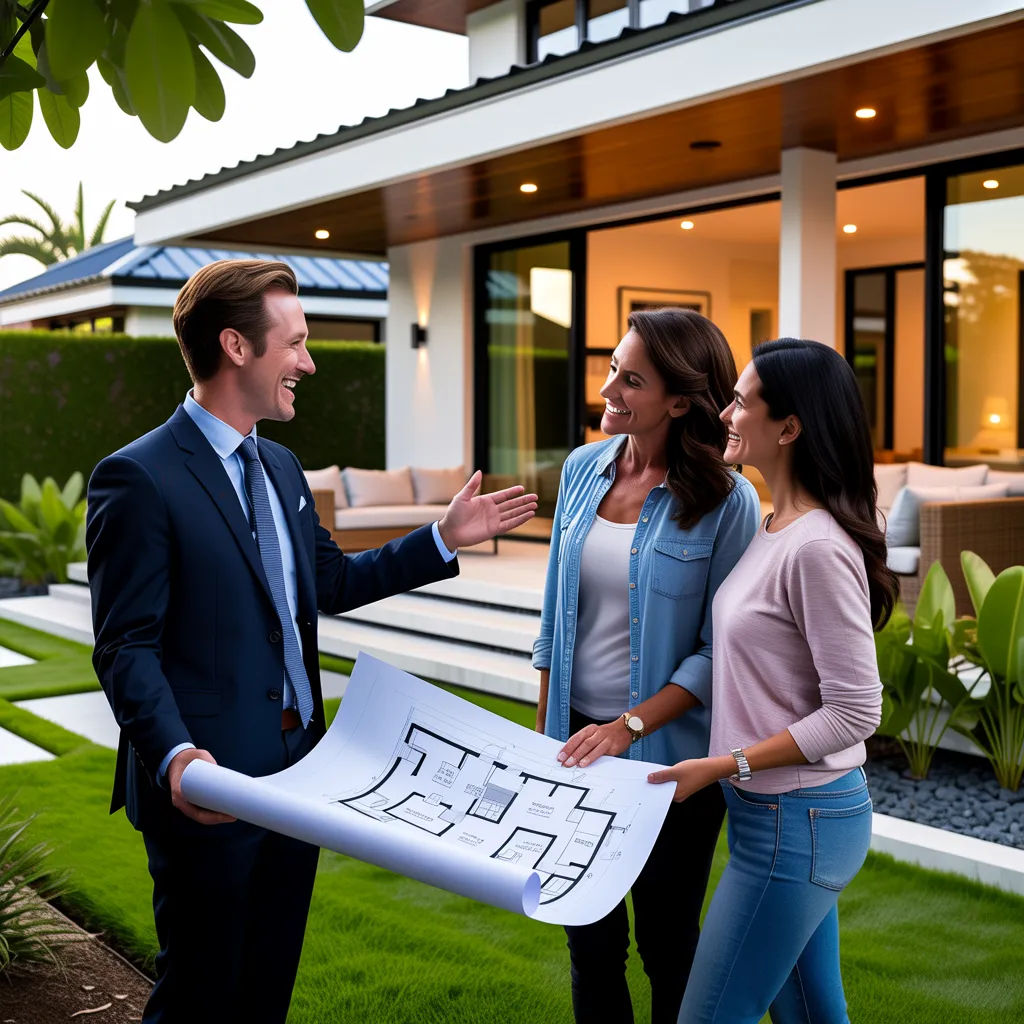
Standard Home Design Snags and Solutions Architects Resolve Them
What makes home design so challenging for many homeowners? The complexity of balancing design tastes with practical requirements often overwhelms them. Homeowners frequently struggle with space limitations, financial restrictions, and regulatory requirements, hindering the design process. Additionally, many are without the specialized knowledge needed to address building fundamentals and building codes.
Architects fulfill an indispensable role in alleviating these challenges. Their instruction equips them to work through the complexities of planning, confirming that a homeowner's goal matches with practical realities. Architects can present creative answers to improve space while adhering to safety norms. They also contribute in creating integrated designs that illustrate the homeowner's manner. By communicating insights into substances and building methods, architects help streamline the decision-making activity. In conclusion, their skill transforms a potentially daunting project into a collaborative journey, encouraging a well-balanced balance between creativity and practicality in home design.
Reasons to Team Up With a Professional Architect
Engaging a professional architect enhances the residential design journey by blending professional insight with the owner's perspective. Architects bring a rich background in design principles, building codes, and sustainable techniques, guaranteeing that the initiative not only meets aesthetic goals but also complies with legal requirements. Their ability to visualize and communicate intricate thoughts aids translating theoretical notions into physical designs.
Moreover, architects can deliver innovative approaches to layout obstacles, refining usability and arrangement. They also oversee the intricacies of the building process, collaborating with contractors and suppliers to ensure finances and schedules are followed. This skilled oversight decreases mistakes and reduces the stress associated with home renovation or building. Ultimately, partnering with an architect delivers a cohesive, well-crafted space that reflects the homeowner's personality while boosting overall property value.
What Represent the Important Steps in the Building Design Process?
What is the way the building design process unfolds from concept to completion? The journey starts with an first meeting, where the architect and client address goals, requirements, and budget. This phase is vital for establishing a clear vision. Subsequently, the designer conducts site analysis, examining factors like terrain, climate, and local codes.
After this, the design phase starts. In this phase, sketches and digital models are made, permitting the client to envision the project. When the design is approved, the architect develops detailed construction documents, featuring specifications and drawings.
With necessary permits obtained, the project moves into the building stage. The architect often collaborates with contractors to ensure that the design is executed correctly. Regular on-site inspections and evaluations help maintain standards and adherence to the initial vision. Finally, the project concludes in a inspection, confirming that the completed structure meets the client's requirements before the official transfer.
How Should You Search for the Perfect Architect for Your Home?
Discovering the suitable architect for your home demands careful thought and study. Prospective residents should start by clarifying their specific desires and budget, which will direct their search. Advice from peers, family, or real estate professionals can supply helpful opportunities. Online galleries and ratings support assessing an designer's prior accomplishments and customer satisfaction.
Next, prospective clients should consult with multiple prospects to assess their communication style, experience, and design methodology. It's crucial to cover timelines and project expectations to ensure agreement. Furthermore, confirming qualifications and checking for proper licensing and credentials can avoid future complications.
In conclusion, property owners should believe in their hunches. The suitable architect should not only exhibit the necessary skills but also correspond to the homeowner's vision and ethics. This synergy promotes a cooperative setting, in due course bringing about a successful partnership in fashioning a dream home.
How to Communicate Your Goals Effectively
Communicating a objective for home design effectively is indispensable for a productive cooperation between homeowners and design consultants. To achieve this, property owners should start by clearly specifying their needs and selections. Producing a comprehensive article mood board with graphics, colors, and textures can help conveying visual desires. Additionally, outlining practical requirements, such as space allocation and spatial arrangement, guarantees that the architect understands practical aspects.
Home owners should also engage in candid conversations, promoting inquiries and input to refine their vision. Regular check-ins during the planning phase promote teamwork and openness. Using clear expression to convey ideas and concerns can avert misunderstandings and help match expectations.
In conclusion, embracing the architect's proficiency permits a more lively conversation. By blending personal vision with professional insight, homeowners can establish a constructive relationship that creates a beautifully designed space embodying their aspirations.
How to Budget for Architectural design Services
While beginning a home design project, setting a budget for architecture services is essential to avoid monetary hardship later. Homeowners should begin by researching typical fees in their area, which can vary based on the project's complexity and the architect's experience. It is advisable to allocate a percentage of the overall project cost specifically for architectural services, typically ranging from 5% to 15%.
Next, customers should evaluate the range of offerings needed—whether they require comprehensive design and project management services or just preliminary discussions. Having transparent conversations with potential architects about their pricing models can provide clarity on costs.
Additionally, homeowners should account for unexpected expenses and potential revisions, establishing a financial reserve in the budget. By clearly defining their financial parameters in advance, customers can verify they choose an architect who aligns with their vision while adhering to their financial limits.
Regularly Inquired Topics
What Building Types Could I Select for My Home?
Homeowners are able to select from various design options, featuring modern, traditional, colonial, Mediterranean, and contemporary. Each style offers unique aesthetics and functionality, allowing individuals to convey personal taste while factoring in regional influences and environmental factors.
How Long Does the Architectural Process Typically Require?
The design undertaking typically requires several months, reliant on complexity factors, design clearances, and local restrictions. Considerations such as client direction and construction schedules can also affect the schedule markedly over the full process.
Can Architects Offer Guidance With Environmental Design Possibilities?
Architects can truly support with green design options. They integrate environmentally responsible materials, energy-efficient systems, and innovative layouts, guaranteeing projects minimize environmental impact while maximizing functionality and aesthetic appeal, aligning with clients' sustainability goals successfully.
What Credentials Should I Look for When Hiring an Building Designer?
When engaging an architect, one should examine their qualifications, accreditation, involvement in related assignments, portfolio showcasing design style, and grasp of local compliance standards. Ability to communicate effectively and feedback from previous clients also become crucial in the decision-making process.
In What Manner Do Architects Deal With Zoning and Permit Questions?
Architects manage zoning and permit issues by performing comprehensive analysis on local regulations, assembling required paperwork, and working with municipal authorities. Their proficiency ensures compliance, expediting the approval process for customer developments efficiently.